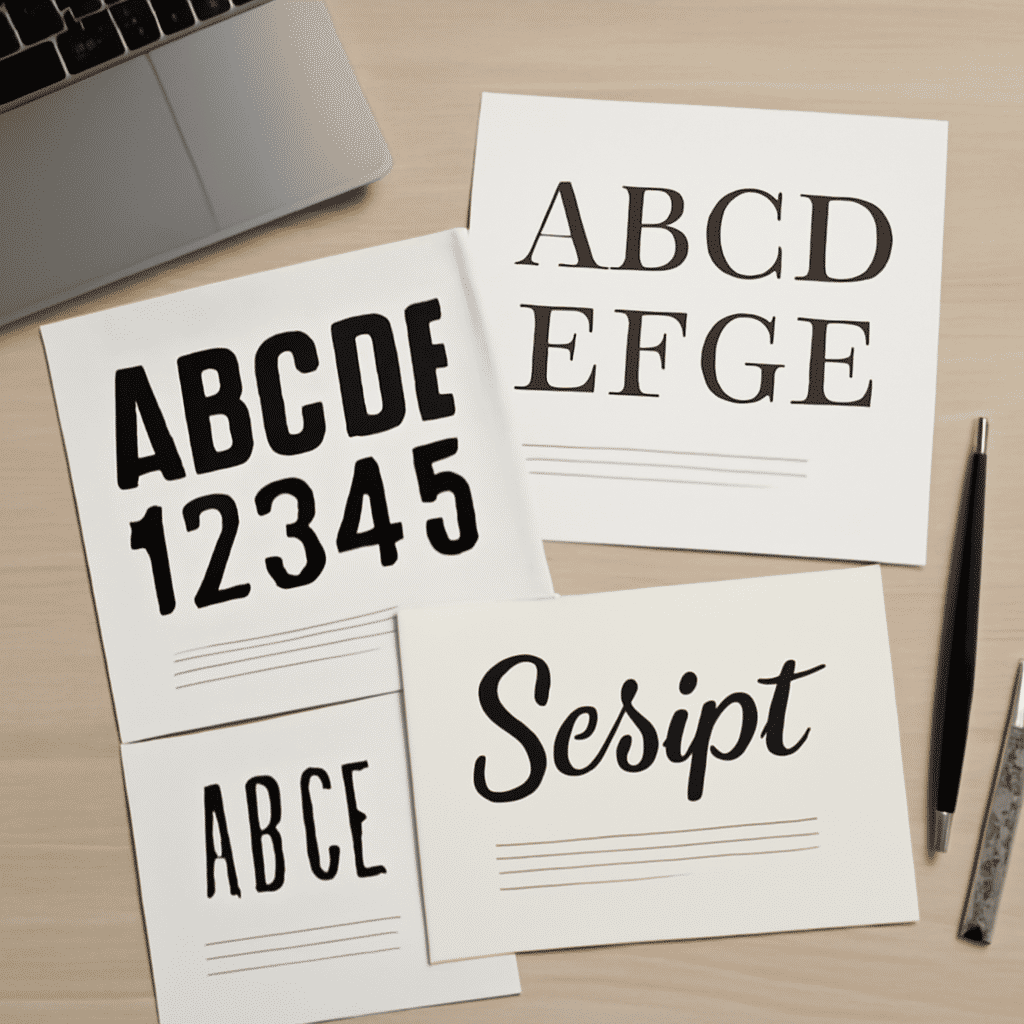
Typography plays a vital role in shaping the overall experience of users as they interact with digital content. At the core, typography is the art and technique of arranging type to make written language legible, readable, and visually appealing. In the era of digital communication, typography is more important than ever, influencing readability, aesthetics, and user engagement.
Typography's primary contribution to digital interaction is readability. The fundamental goal of any digital text is to communicate a message effectively, and for this, the text must first be readable. Clarity in typography is achieved through the careful selection of fonts, sizes, line spacing, and letter spacing. For instance, sans-serif fonts like Arial or Helvetica, with their clean lines, are often preferred for digital interfaces due to their readability on screens. The size of the typeface also significantly affects readability; too small and the user strains to read, too large and the meaning of the text could be misconstrued.
Aesthetic appeal is another critical aspect of typography. The visual presentation of text can influence the mood and tone of the entire design. Typography, through its style and arrangement, can evoke emotions and contribute to establishing a brand's identity. Consistency in typography creates harmony within a design, allowing users to navigate through content seamlessly. For example, using a bold typeface for headings and a lighter version for body text can guide a user's attention intuitively, enhancing the overall aesthetic experience.
Beyond readability and aesthetics, typography is crucial for fostering user engagement. Good typography draws users in and encourages them to continue interacting with the content. Effective use of typography can persuade, inform, or entertain, tailoring the experience to meet the user’s expectations. Dynamic typography choices, such as varying font styles or implementing text animations, can captivate users’ attention, motivating them to explore further.
Moreover, accessibility is an increasingly important factor when considering typography in digital spaces. Ensuring that text is readable for users with visual impairments is a necessary consideration. This includes using contrast effectively, choosing legible fonts, and allowing for scalable text. Accessibility-focused typography doesn’t only cater to users with impair abilities; it also enhances universal usability, ensuring that everyone can access the information they need.
In conclusion, typography in digital contexts is not merely about choosing a font but is a strategic tool that significantly influences readability, aesthetics, and user engagement. The thoughtful application of typography creates not only a pleasing visual experience but also enriches the user's journey through digital content. As technology continues to evolve, the role of typography will undoubtedly expand, offering new opportunities for innovative and impactful designs.